Wondering who does what in Brussels? Among the European Union institutions, 4 main decision-making institutions lead the way, backed by 3 EU institutions covering justice, money and audit.
| Item | Value |
|---|---|
| European institutions | 7 European institutions |
| EU bodies | 8 EU bodies |
| Decentralised agencies | Over 30 decentralised agencies |
| Main decision-making institutions | 4 main decision-making institutions |
| EU staff | Around 60,000 EU civil servants and other staff |
| European Council president | 2.5-year term, renewable once |
These figures come from the EU’s official page on types of institutions and bodies. They can change, so check that page before you rely on them.
How the EU is organised
The EU’s own website calls its institutional set-up unique, and says the decision-making system is constantly evolving. The set-up has 7 European institutions, 8 EU bodies and over 30 decentralised agencies spread across the EU, as the EU’s institutions page explains.
On the administrative side, the same page counts a further 20 EU agencies and organisations that carry out specific legal functions, plus 4 interinstitutional services that support the institutions. Their remits run from developing laws to specialist fields such as health, medicine, transport and the environment, according to the same source.
All of this runs on around 60,000 EU civil servants and other staff, who serve 450 million Europeans. The EU itself calls that a relatively small workforce: the French Finance Ministry has around 140,000 staff for a population of only 67 million, per the EU’s institutions page.

The 4 main decision-making institutions
Four institutions provide the EU with policy direction and play different roles in making law, as the EU’s institutions page sets out. Here is what each one does and where it sits:
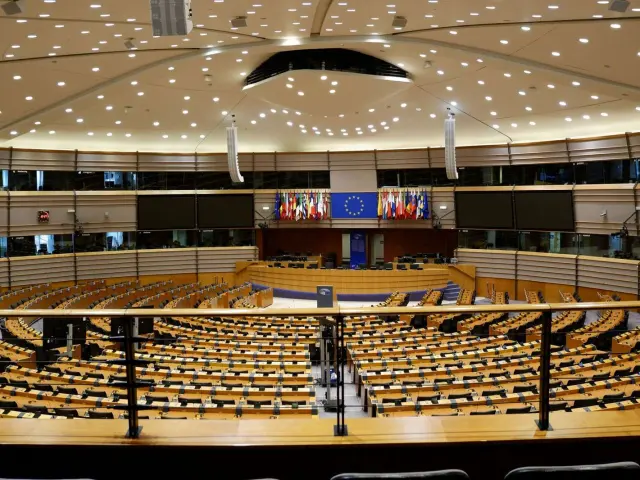
- European Parliament (Brussels, Strasbourg, Luxembourg): represents the citizens of EU countries, is directly elected by them, decides on laws jointly with the Council of the EU and approves the EU budget.
- European Council (Brussels): brings together the heads of state or government to define the EU’s general political direction and priorities.
- Council of the European Union (Brussels, Luxembourg): represents the governments of EU countries, with national ministers meeting to adopt laws and coordinate policies.
- European Commission (Brussels, Luxembourg and Representations across the EU): the EU’s main executive body, which proposes new laws and manages EU policies and the budget.
Parliament is the only one of these four that citizens elect directly. Readers who want more on it can follow the explainer on how does the european parliament work.
The Commission uses its right of initiative to put forward proposals that Parliament and the Council then scrutinise and adopt, and it checks that countries apply EU law correctly. A separate explainer answers the question what does the european commission do in more detail. Its Representation offices act as its voice in each country, monitoring public opinion and explaining EU policies, according to the EU’s institutions page.
The two councils are easy to confuse. The European Council does not make laws in general, and its president serves a 2.5-year term that can be renewed once, per the same page. The comparison of council of the european union vs european council sets the two side by side.

The 3 institutions that complement them
The work of the 4 main EU institutions, which covers the legislative and executive tasks of the EU, is complemented by another 3 EU institutions. They manage the judicial, financial and external audit aspects of the Union, according to the EU’s institutions page.
- Court of Justice of the European Union (Luxembourg): reviews the legality of acts of the EU institutions, ensures EU countries meet their Treaty obligations and interprets EU law when national courts ask.
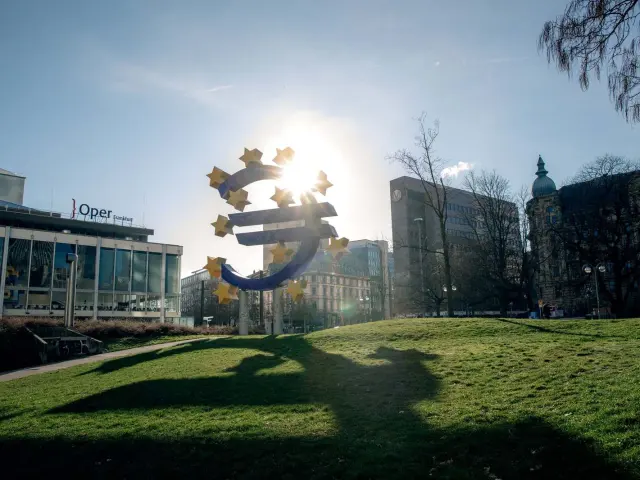
- European Central Bank (Frankfurt): together with the European System of Central Banks, responsible for keeping prices stable in the euro area.
- European Court of Auditors (Luxembourg): works to improve EU financial management, accountability and transparency.
For the judicial side in more depth, there is a dedicated page on the court of justice of the european union. The bank’s role in monetary and exchange rate policy is covered separately, in an explainer on what does the european central bank do.
How the institutions make laws together
In most cases, Parliament, the Council of the EU and the Commission produce the policies and laws that apply throughout the EU. The process they follow is called the Ordinary Legislative Procedure, according to the EU’s institutions page. In principle, it runs in four steps:
- The Commission proposes a new law.
- Parliament and the Council of the EU adopt it.
- The member countries implement it.
- The Commission ensures the law is properly applied.
The full journey of a proposal is laid out in how are eu laws made.
The rules of the game sit in the founding treaties. The page names the Treaty on the Functioning of the European Union (1957) and the Treaty on European Union (1992), and says the Lisbon Treaty (2007) added certain amendments and additions to the institutions’ competencies, per the EU’s institutions page. A longer walk-through is in eu treaties explained.
Money follows the same split of roles. Parliament approves the EU budget, while the Commission manages it. For the spending side, see how is the eu budget spent.
Where the institutions sit and how to see them
You can visit EU institutions in Brussels, Strasbourg, Luxembourg and Frankfurt, according to the EU’s Europe Day page. The best moment to do it is Europe Day, which looks back to the speech Robert Schuman gave on 9 May 1950.
Tens of thousands of visitors join the events and activities every year. Celebrations also reach all 27 EU countries through Commission Representations and European Parliament Liaison Offices, per the same page.
As of that page’s 11 May 2026 update, the 2026 edition marked 40 years since Portugal and Spain joined the EU. Details of the 2026 open days sit on the Europe Day page.

To see how the continent’s traditions sit beside its politics, read the guide to european culture. Anyone weighing a career in this world can start with the guide to working in europe.
This site is an independent educational resource and is not affiliated with any EU institution.
Frequently asked questions
How many European Union institutions are there?
Show answer
The EU’s website counts 7 European institutions. Of these, 4 lead decision-making, and the Court of Justice, the European Central Bank and the Court of Auditors make up the rest, per the EU’s institutions page.
Which institution proposes EU laws?
Show answer
That job belongs to the European Commission, which holds the ‘right of initiative’. Parliament and the Council of the EU then examine and adopt what it puts forward, according to the EU’s institutions page.
Does the European Council pass laws?
Show answer
Not as a rule. Its role is to steer the EU’s political course, though it can agree to changes to the Treaty on the Functioning of the EU, as the EU’s institutions page notes.
Who checks how EU funds are handled?
Show answer
The European Court of Auditors acts as the independent guardian of the financial interests of EU citizens. It is based in Luxembourg, per the EU’s institutions page.
Is this an official EU website?
Show answer
No. This is an independent guide, so for official information go to the EU’s own website.