Wondering how does the European Parliament work? Elected members prepare EU laws in committees, then vote on them together in plenary sessions. You can follow the whole process in a few minutes.
It is one of the european union institutions, and it gives voters a direct voice in EU decisions.
| Item | Value |
|---|---|
| Members of the European Parliament | 720 MEPs |
| Election cycle | Every 5 years |
| Minimum delegation per country | 6 MEPs |
| Maximum delegation per country | 96 MEPs |
| Policy committees | 20 committees |
| Plenary sessions in Strasbourg | Four days a month |
These figures come from the EU’s official profile of the European Parliament. They can change, so check the source before you rely on them.
What the Parliament does
The Parliament is the EU’s law-making body, and the EU’s profile sums up its work in 3 main roles.
- Legislative: passing laws with the Council of the EU, deciding on international agreements and on enlargements.
- Supervisory: keeping democratic watch over every EU institution.
- Budgetary: shaping the annual EU budget and the long-term budget framework, again with the Council.
Parliament can also review the Commission’s work programme and ask it to propose legislation. If you want to see who writes the proposals that MEPs vote on, read this guide on what does the european commission do.
Who sits in the Parliament
Members are directly elected by EU voters every 5 years. According to the EU’s profile, the last European elections took place on 6-9 June 2024.
The chamber has 720 MEPs. Seats follow each country’s population only roughly, using degressive proportionality: no country can have fewer than 6 or more than 96 MEPs, and the total cannot exceed 750 (plus the President), as the official profile explains.
Once elected, MEPs sit in political groups, not national blocs. The President speaks for Parliament towards other EU institutions and the outside world, and gives the final go-ahead to the EU budget.
The institution has changed a lot over time. The same profile records that it began in 1952 as the Common Assembly of the European Coal and Steel Community, took the name European Parliament in 1962, and held its first direct elections in 1979.
From committee to final vote
The EU’s profile says Parliament’s work comprises two main stages: committees first, then plenary sessions. Here is how a proposal travels through them.
- The European Commission puts forward a proposal for a law.
- A committee covering that policy area examines it.
- MEPs and political groups table amendments, or propose to reject the bill.
- The political groups debate the issues among themselves.
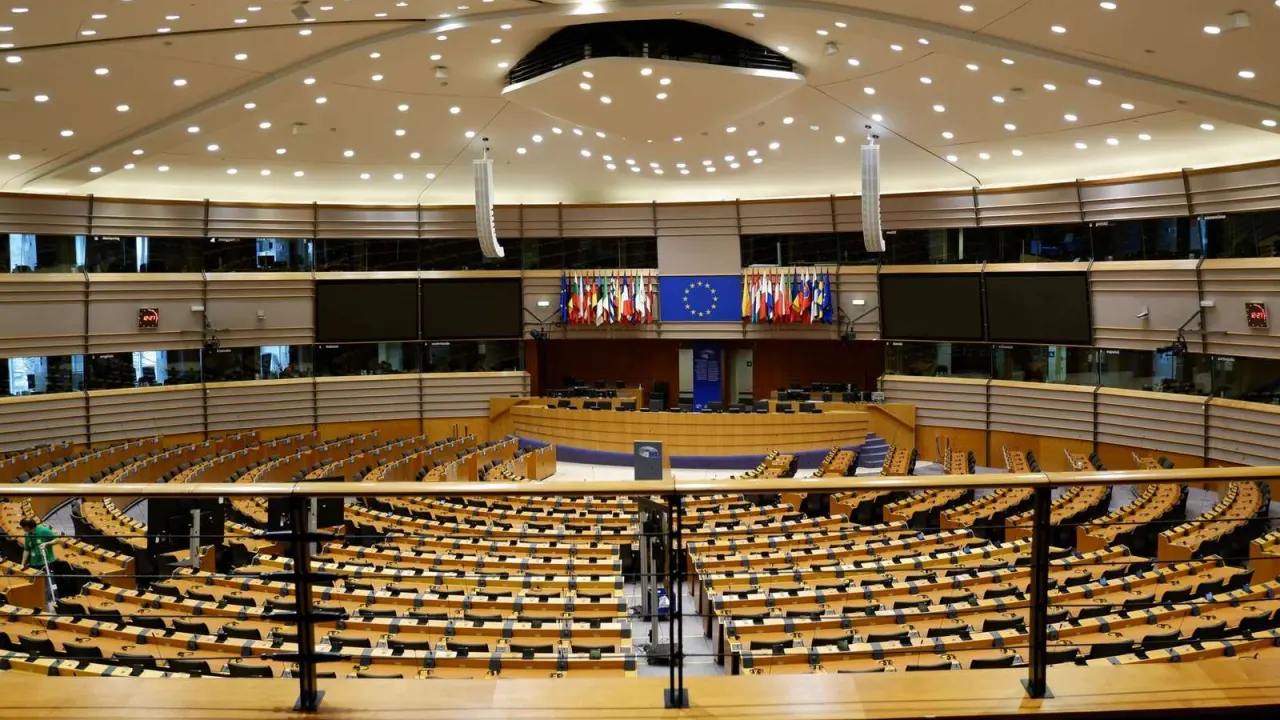
- All MEPs gather in the chamber for a final vote on the text and the amendments.
The Parliament has 20 committees and three subcommittees, each handling a particular policy area. Because it passes laws together with the Council, the other half of the process is explained in this comparison of council of the european union vs european council, which also clears up a common mix-up.
Where the Parliament meets
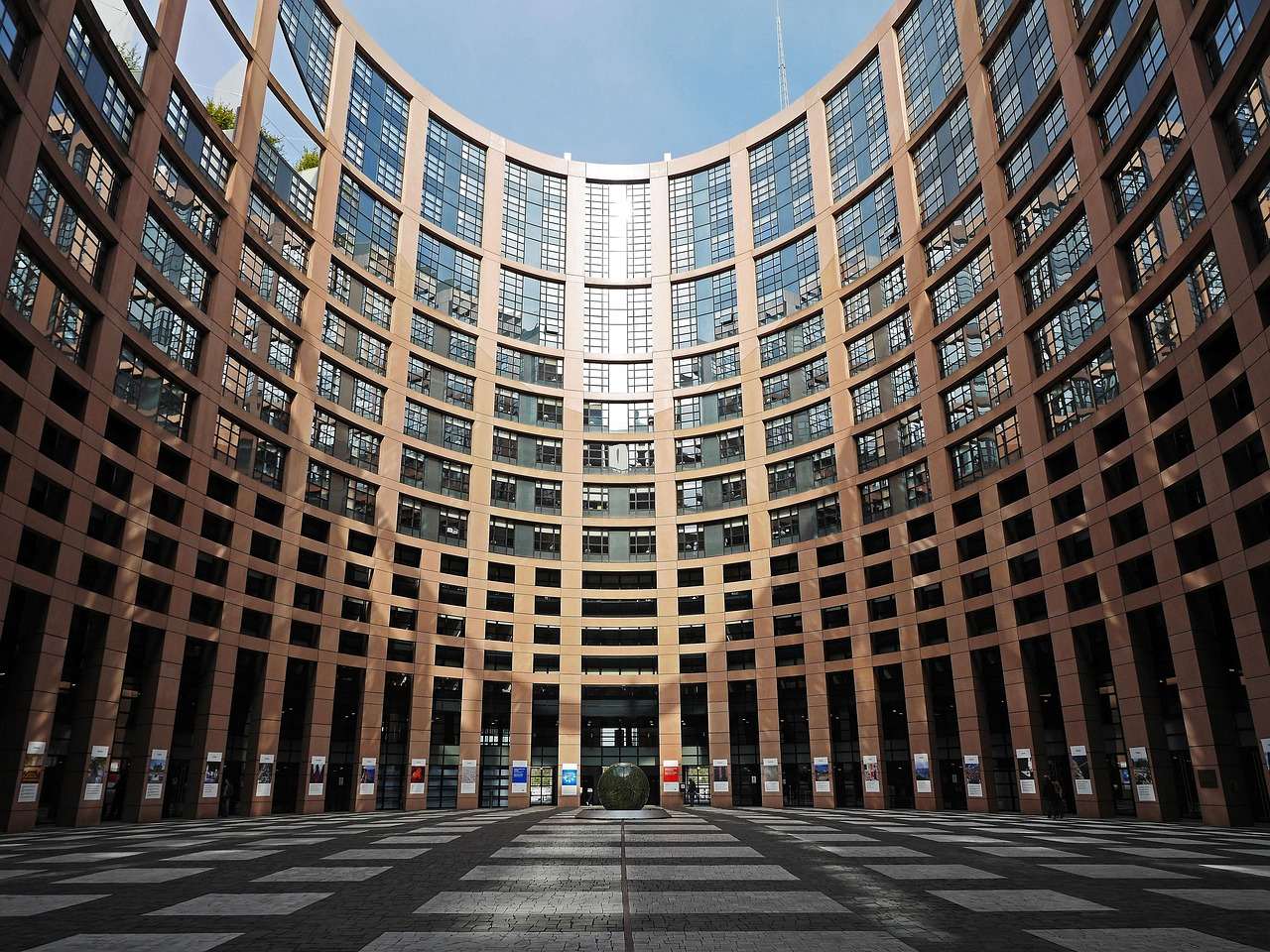
Parliament works from several cities rather than one capital. The EU’s profile lists these locations:
- Strasbourg, in France
- Brussels, in Belgium
- Luxembourg
Full plenary sessions are normally held in Strasbourg for four days a month, with extra sessions sometimes added in Brussels, the profile notes.
How Parliament keeps other institutions in check
Scrutiny is the part of the job that rarely makes headlines. As described in the EU’s profile, it covers several tools:
- Electing the Commission President and approving the Commission as a body.
- Voting a motion of censure, which would oblige the Commission to resign.
- Granting discharge, meaning it signs off on how EU budgets were spent.
- Examining citizens’ petitions and setting up inquiries.
- Discussing monetary policy with the European Central Bank and questioning the Commission and Council.
How can you take part?
You can ask Parliament to act on an issue by petition, either by post or online. Petitions can cover any subject within the EU’s remit, according to the official profile.
You must be a citizen of an EU member state or live in the EU, and companies or organisations must be based there. Contacting your local MEP or the Parliament’s information office in your country are other routes.
Frequently asked questions
Who chooses the members of the European Parliament?
Show answer
Voters in EU countries choose them directly at European elections. The most recent ones listed on the EU’s profile page took place in June 2024.
Can Parliament force the Commission out?
Show answer
According to the EU’s profile, Parliament can vote a motion of censure, and that vote obliges the Commission to resign.
Does Parliament sit in just one city?
Show answer
No. Its work is spread across Strasbourg, Brussels and Luxembourg, and the monthly full sessions are normally in Strasbourg, as the profile describes.
Do MEPs sit by nationality?
Show answer
No, they are grouped by political affiliation instead. Delegations from each country still differ in size, since seats roughly track population, per the EU’s profile.
Who can send a petition to Parliament?
Show answer
Anyone who is an EU citizen or resident can, and organisations qualify if they are based in the EU. The EU’s profile says you can send it by post or online.