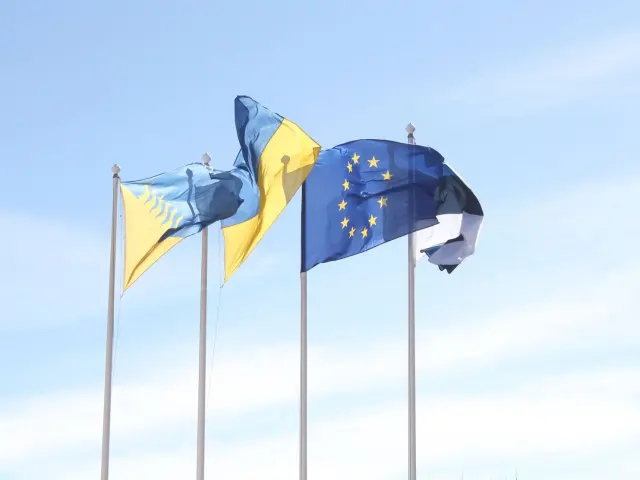
Do you wonder what the blue flag and that famous tune stand for? The EU flag and anthem meaning comes down to unity: twelve golden stars on blue, and Beethoven’s wordless “Ode to Joy” for freedom, peace and solidarity.
This explainer sits within our wider guide to european culture, where the EU’s symbols are one thread among many.
| Symbol | Key fact |
|---|---|
| Official EU anthem | Beethoven’s “Ode to Joy”, adopted in 1985 |
| Anthem lyrics | None (without lyrics) |
| EU motto | “United in diversity”, adopted in 2000 |
| Flag design date | 1955, for the Council of Europe |
| Flag stars | Twelve golden stars on a blue background |
The figures come from the EU’s symbols page and an independent Council of Europe overview. They can change, so check the source before you rely on them.
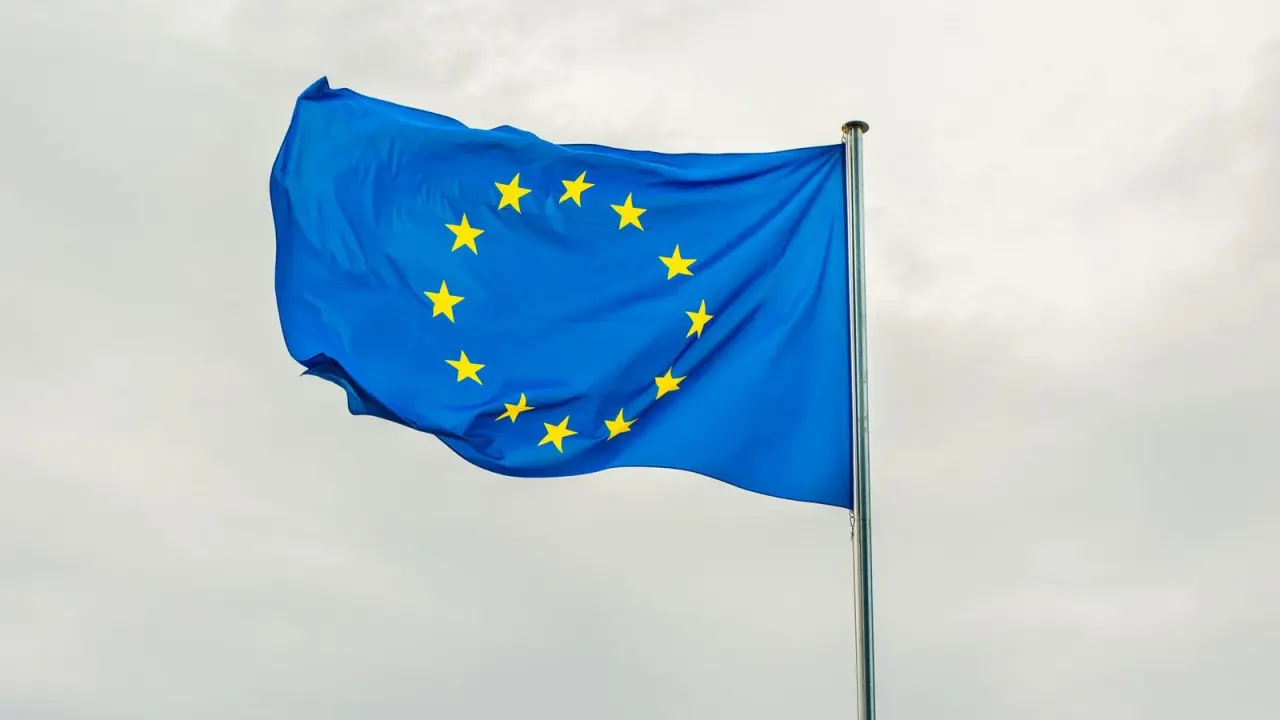
The EU flag: twelve golden stars on blue
The European flag symbolises both the European Union and, more broadly, the identity and unity of Europe, as the EU’s symbols page puts it. So it speaks for a continent’s shared identity, not only for one set of institutions.
An independent site covering the Council of Europe explains what each part of the design is said to represent:
- The blue background stands for the colour of the western skies.
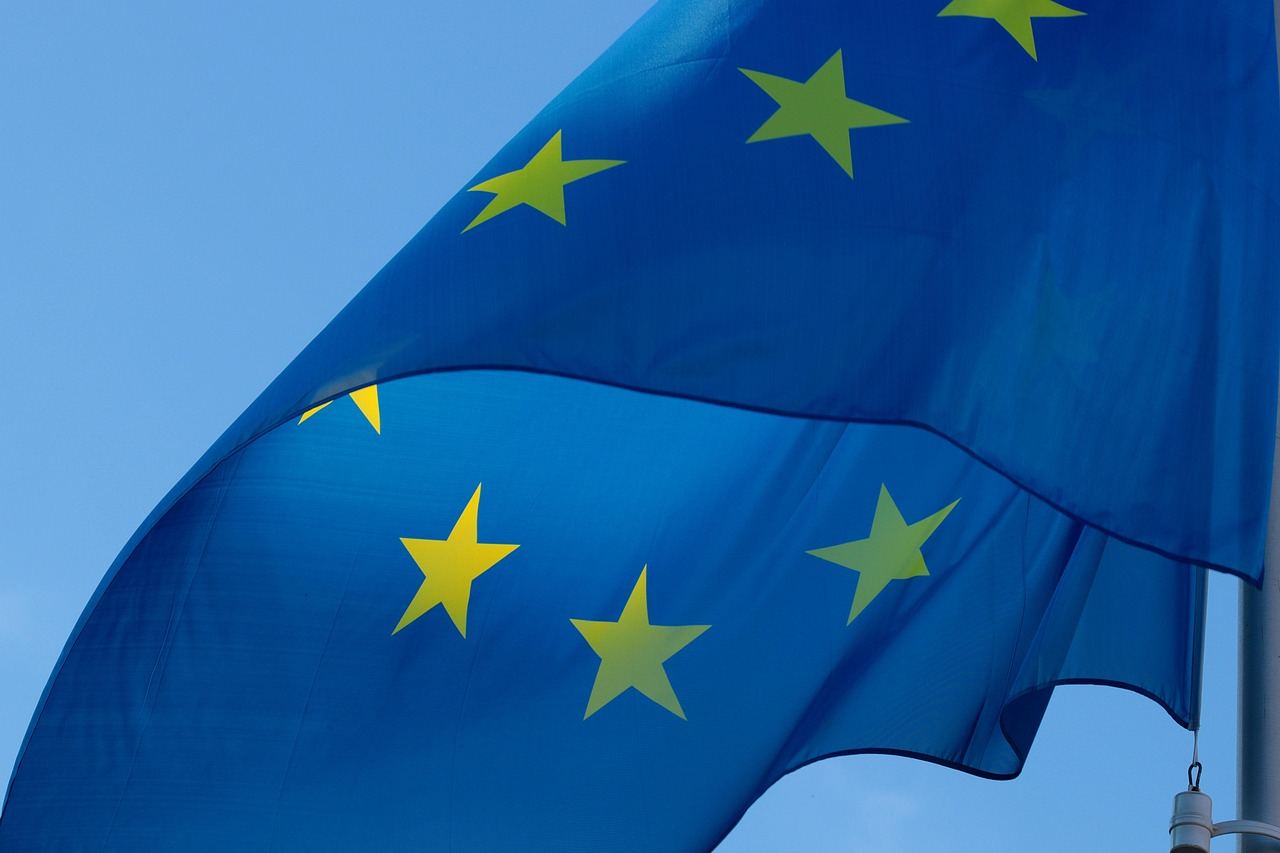
- The circle of twelve stars stands for the unanimity of Europe’s nations.
- The number twelve symbolises unity, harmony and perfection, and it recalls the twelve months of the year and the twelve astrological signs.
The same source says that anyone who sees the twelve golden stars on the blue background automatically thinks of the European Union. It adds that the flag can now be found all over the world as a symbol of Europe in its entirety.
The anthem: Beethoven’s “Ode to Joy”
The melody comes from the Ninth Symphony, composed in 1823 by Ludwig van Beethoven, who set music to Friedrich von Schiller’s lyrical verse from 1785, according to the EU’s anthem page. Schiller’s poem expresses an idealistic vision of the human race becoming brothers, and the same page says Beethoven shared that vision.
The anthem has no lyrics: the EU’s anthem page describes it as music only. Through that universal language, it is said to express the European ideals of freedom, peace and solidarity.
As of the EU’s anthem page, last updated on 17 April 2026, the tune is played at official ceremonies involving the European Union. It is also heard at all sorts of events with a European character.
The motto: “United in diversity”
The EU’s motto is a short phrase rather than a picture or a tune. The EU’s symbols page says “United in diversity” was adopted as the Union’s motto in 2000.
The words fit the other symbols well. A Jacques Delors Institute report from December 2013 notes that, because they are “united in diversity”, EU countries regularly put forward their own colours and anthems. Those symbols reflect many different historical contexts and traditions that are not well known among Europeans.
How the symbols passed from the Council of Europe to the EU
Neither the flag nor the anthem began as an EU creation. Both were made for the Council of Europe, and the timeline below shows how they reached the Union.
- The flag was designed for the Council of Europe in 1955, says the independent overview.
- In 1971 the Council asked the conductor Herbert von Karajan to arrange an instrumental version of the “Ode to Joy”, the same overview reports.
- In 1972 the Council of Europe adopted Beethoven’s theme as its anthem, according to the EU’s anthem page.
- In 1985 EU leaders adopted it as the Union’s official anthem, as that same EU page records.
- In 1986 a predecessor of today’s EU adopted the flag, the independent overview says.
Sources differ by a year on the anthem. The overview gives 1986 for the EU predecessor’s adoption of it, while the EU’s own pages give 1985, so this article uses the EU date.
How the EU symbols sit alongside national ones
The EU’s anthem page says the tune is not meant to take the place of any national anthem in the EU countries. Its job is to celebrate what those countries have in common.
The Delors report makes a related point: a feeling of belonging is something you build, and flags and anthems can be useful tools for building it. It also argues that Europeans should learn about the flags and anthems their “European compatriots” turn to, not only the star-spangled flag or the “Ode to Joy”.
If you want to see how Europe marks its shared story, our explainer on europe day 9 may is a good next stop. For another side of shared heritage, browse our guide to unesco world heritage sites in europe.
Frequently asked questions
Does the EU anthem have words?
Show answer
No. It is purely instrumental, so nothing is sung when it is played, as the EU’s anthem page explains.
Who is behind the music of the anthem?
Show answer
Ludwig van Beethoven wrote the melody. The instrumental arrangement came from conductor Herbert von Karajan at the Council of Europe’s request, according to the independent overview.
Is the flag only an EU symbol?
Show answer
No. It was first made for the Council of Europe, per the independent overview, and the EU’s symbols page says it also stands for the identity and unity of Europe more broadly.
Does the anthem replace national anthems?
Show answer
No. It sits beside them instead of taking their place, according to the EU’s anthem page.